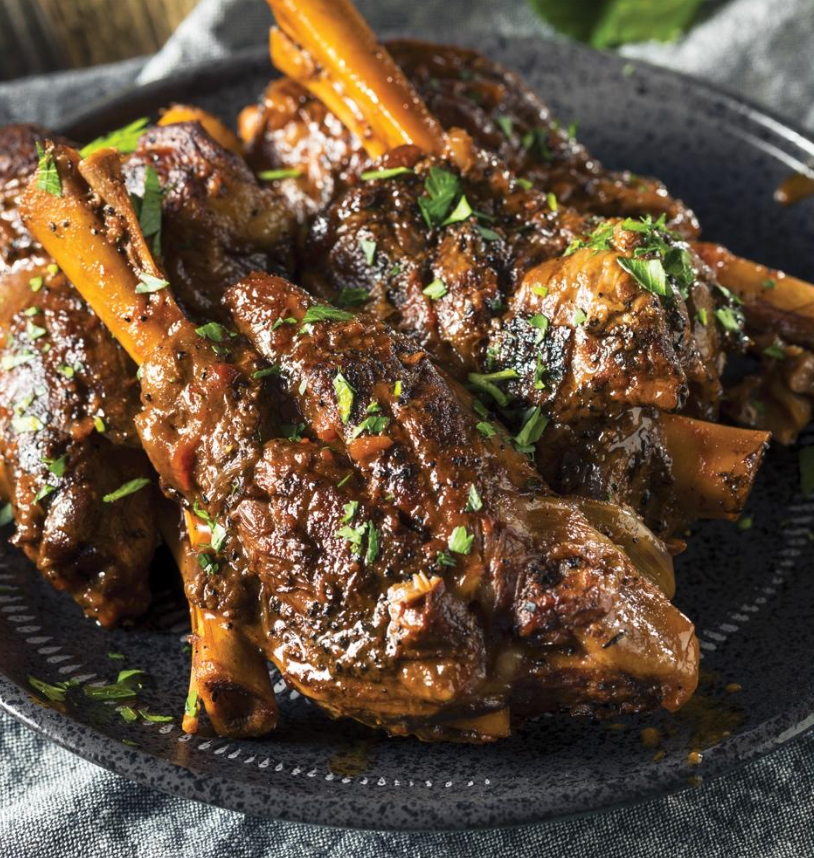
Every generation rediscovers the meaning of a good meal. Some do it through recipes handed down across time; others, through ingredients that tell a story before they ever touch a plate. American lamb is one of those ingredients – rooted in heritage, shaped by the land, and quietly redefining what it means to eat locally and responsibly.
Yet for many, lamb remains the great undiscovered treasure of American dining. It isn’t rare because it’s unavailable, rather because it’s misunderstood. While other proteins have long dominated weeknight menus and holiday feasts, lamb has lived in the margins, waiting patiently for its moment of recognition. That moment, it seems, has finally arrived.
Across the country, chefs, home cooks, and producers are reimagining lamb for the modern table. They are transforming it from a luxury for rare occasions to a daily necessity that embodies taste, sustainability, and artistry. And in doing so, they’re subtly reviving something that has always been here: a profound reverence for the origins of our food and its symbolic meaning.
Superior Farms has helped lead that transformation, not through marketing, but through measurable action. As one of America’s foremost lamb producers, the company’s work with ranchers across the West proves that quality and conscience don’t need to compete.
But the story of American lamb goes far beyond one company or one region. It’s about an industry rediscovering its voice and a generation of eaters learning that responsibility and flavor can sit at the same table, quite comfortably.
A Flavor That Speaks for Itself
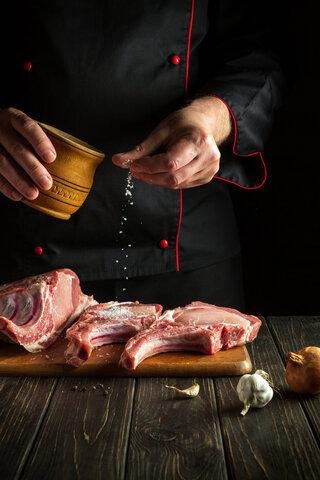
If you ever chat with someone who cooks lamb regularly, they will tell you one thing: no other meat carries flavor the way lamb does. It’s bold but refined, rich but not heavy. It holds spices beautifully, pairs elegantly with herbs, and responds to heat like it was born for the grill.
Lamb has a depth of character that reflects the environment it is produced in, unlike beef or pork. Because of the way it is raised and prepared, American lamb in particular has a tendency to be richer and a tad sweeter than foreign types. The natural marbling produced by wide ranges, grass-fed pastures, and grain-supplemented diets makes the meat succulent and flavorful.
The appeal lies in its honesty. Every cut tells a story of the land it came from and the care with which it was raised. That’s what makes it worth a permanent place in your kitchen, not just a cameo at Easter or Passover.
Sustainability as a System
The word “sustainability” has been used so often it risks losing meaning, but in the world of American lamb, it still means something very real. Ranchers understand that the future of their herds depends on the health of their environment.
The traditional methods that characterize responsible ranching include rotational grazing, water conservation, and soil regeneration. Producers can preserve and even enhance pasture health by keeping flocks in accordance with natural cycles, guaranteeing that the land will continue to be fertile for many years to come.
In many ways, the story of American lamb is a story about restraint, about knowing that good food takes time, that quality can’t be rushed, and that ethics aren’t an accessory to business, they’re the foundation of it.
The Case for Local
Supermarket shelves may be dominated by imported lamb, but indigenous producers are taking back the spotlight. Immediacy is something that American lamb just cannot provide. It arrives fresher, travels fewer miles, and boosts local economies, all of which contribute to a better dining experience and a lesser environmental impact.
When you buy domestic lamb, you’re not just buying a product; you’re supporting a network of family ranchers, veterinarians, transporters, and processors who form the backbone of rural America.
Furthermore, although “local” is frequently presented as a moral decision, it is also a pragmatic one. Because fresher meat keeps more of its inherent flavor and suppleness, every meal serves as a concrete reminder that local sourcing is about results rather than nostalgia.
Beyond the Menu – A Cultural Revival
Some changes reflect a real shift in people’s thinking, yet food trends come and go. That second group includes the emergence of American lamb. Lamb is being rediscovered as both a legacy and an invention, serving as a link between the traditional and contemporary palates in both restaurants and homes.
In fine dining, it’s becoming a signature protein once again, valued for its versatility and elegance. In home kitchens, it’s finding new life through ground lamb tacos, Mediterranean salads, and slow-roasted shoulders. It’s proving that flavor doesn’t have to be complicated to be memorable.
A Seat That’s Always Been Waiting
The American table has never lacked space – only attention. And as more households and restaurants begin to embrace locally raised lamb, the picture of what “homegrown” truly means starts to expand.
This comeback seems appropriate for a sector that relies heavily on patience. It’s the result of years of silent advancement, with ranchers honing their craft, chefs trying new things, and customers finally taking notice.
Because when raised responsibly, cooked thoughtfully, and shared generously, American lamb doesn’t just deserve a place on the table – it completes it.